
The organizations that confuse the two are spending their best people to buy time they cannot get back.
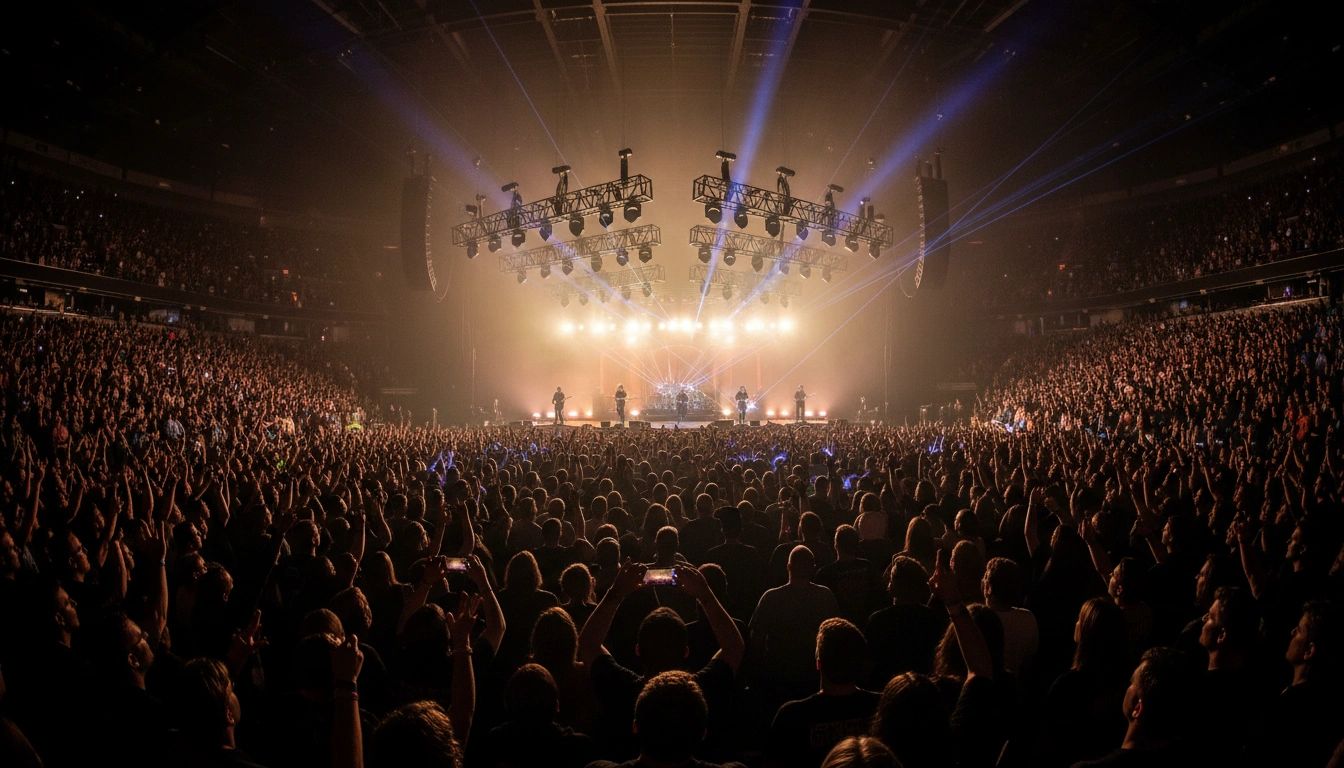
Imagine a song with no structure. No verse, no chorus, no dynamics. Just full-volume intensity from the first note to the last. Every instrument, all at once, without pause. No rest between phrases. No section that builds into anything. No moment that resolves.
You would stop listening. Not because the players are untalented. Because relentless intensity without architecture is not music. It is noise that happens to be produced by instruments.
This scenario is unusual in music. In organizational life, it is close to the default.
What Urgency Culture Actually Produces
The assumption embedded in most high-performing organizations is that constant motion at maximum intensity is the most reliable path to results. That the best operators are the ones who maintain the highest output for the longest period. That rest is something that happens when the current deliverable ships, not something built into the structure of the work.
The problem is not effort. The problem is what effort without cadence does to the quality of the thinking behind the effort.
Jason Fried and David Heinemeier Hansson at Basecamp documented what they observed when urgency became permanent rather than episodic: the quality of thinking degraded, decisions became reactive rather than considered, and the kind of creative problem-solving that produces genuinely good work was replaced by incremental execution designed to keep things moving. The organization was still performing. It had stopped creating. The notes were right. The groove was gone.
When you run without cadence long enough, you do not just tire people out. You eliminate the condition under which your best work is possible at all.
The Distinction That Changes Everything
There is a difference between sustainable rhythm and heroic burnout, and it is not a difference of intensity. It is a difference of architecture.
Sustainable rhythm has structure. It has phases. It has moments of high demand and built-in recovery. It knows the difference between a verse and a chorus. It gives people a sense of where they are in the work and where the work is going, which means people can pace themselves and bring genuine presence rather than depleted endurance.
Heroic burnout has volume and pace with no sense of sequence. It is the organizational version of the song that cannot stop: technically active, emotionally exhausted, and producing diminishing output for the same amount of effort.
The bands that lasted — the ones who kept making music worth listening to across decades of output — were not the ones that refused to work hard. They were the ones who understood the difference between working hard and burning down the source of what made the work worth doing. Rest cycles built into a tour schedule are not concessions to comfort. They are the mechanism by which the performance stays alive across the full run.
Three Places Urgency Culture Breaks Down
It destroys access to your best thinking. Daniel Pink's research on intrinsic motivation at work identifies autonomy, mastery, and purpose as the three primary drivers. All three require conditions that sustained exhaustion reliably destroys. Autonomy requires cognitive capacity. Mastery requires the bandwidth to reflect on performance rather than just execute it. Purpose requires enough presence to connect the work to what it means — and that connection is the first thing to go when someone is running on empty.
It signals everything is equally important — so nothing is. When urgency is permanent, it stops carrying information. A team that operates in a constant state of escalated intensity cannot distinguish between the situations that actually demand sprint-level response and the ones that simply feel urgent because nothing has ever been allowed to feel otherwise. The signal degrades. The response degrades with it.
It measures the wrong things. Organizations optimized for urgency tend to measure time and output volume because those are visible. They do not measure the quality of the thinking behind the output because that is harder to see. By the time the quality problem shows up in metrics, the team producing the work has often been running below capacity for much longer than anyone realized.
What Cadence Makes Possible
A well-executed strategy is a compelling arrangement. The difference between an infectious groove and a wall of undifferentiated sound is not effort. It is architecture.
Organizations that take cadence seriously — that protect planning cycles, build in genuine recovery between intensive phases, and treat their people's energy as the resource the strategy actually runs on rather than a cost to be minimized — build something that urgency-culture organizations consistently struggle to replicate. They build access to their people's best thinking.
Not their most hours. Their best thinking.
That distinction compounds. A team with real cadence generates better ideas, makes faster decisions on the right problems, and brings something to its work that no amount of heroic effort can manufacture: the sense that something real is being created here, not just completed.
The Leadership Question Worth Asking
Here is a practical check, harder than it sounds: does your own behavior match the rhythm you publicly endorse?
Leaders who say they value sustainable work and then model relentless availability are not practicing what they preach. They are teaching their people that the stated rhythm is aspirational and the real rhythm is whatever the calendar demands. Organizations tend to perform the rhythm their leaders demonstrate, not the one their leaders describe.
If any of that resonates, the next work is not a new productivity system. It is the harder decision to protect the cadence even when the pressure to abandon it is credible. That protection is the leader's job before it is anyone else's.
Trey LeBlanc is the author of The Musicality of Business: How Great Companies Find Their Sound, a business leadership book using the structure of music — melody, rhythm, and harmony — to address the most persistent challenges in organizational strategy, culture, and execution.
The Book
Ready to make music with your organization?
The Musicality of Business goes deeper — a full framework for leaders who want their teams to stop making noise and start making music.
Written by
Trey LeBlanc
Author · Speaker · The Musicality of Business framework for strategy and culture